
 SENS
SENS
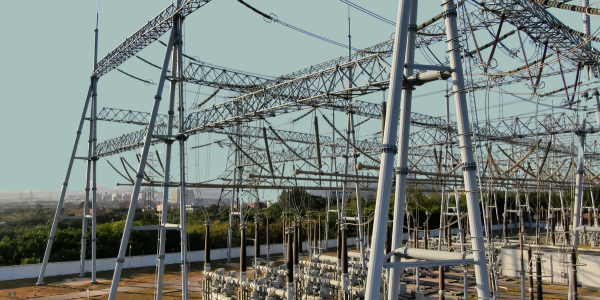
Once-theoretical debates have become a daily reality: retiring power plants and variable renewables are straining grids as high-density computing demand surges. The bottleneck is not only capacity but speed — seven-year grid connection queues clash with 18-month silicon cycles — forcing data-center operators to rethink procurement, power architecture, and backup systems to keep pace.
Our Chief Commercial Officer, Olen Scott, touched on this in his recent interview with Factor This Power Engineering:
"The utility, the grid operators can't really be relied upon to deliver at the speed of business. That's not an insult to them. The speed of business has become hyper-fast."
This reality is forcing operators to consider doing things in new ways, with new technologies, often provided by new vendors. The real issue is that the traditional method of procurement and building has become a massive financial liability. If a project takes five years to secure a power connection, the hardware intended for the racks is two generations behind before the site even energizes.
Reliability as an Architecture
This is why the industry is increasingly rethinking the "safe bet" of legacy procurement. For decades, the gold standard was supply chain diversity: the idea that if you couldn’t buy a part from ten different vendors, you didn’t buy it. However, if a product is available from a dozen different sources, it is likely mature, legacy technology that isn't built for next-gen density challenges.
Olen framed this dilemma as a choice between comfort and capability:
"There might be 10 vendors that do something the way that it's been done for the last 50 years, and there might be one or two vendors that are doing something new... but this is the better mousetrap. So you have to decide, is your commitment to the better mousetrap or just to risk mitigation?"
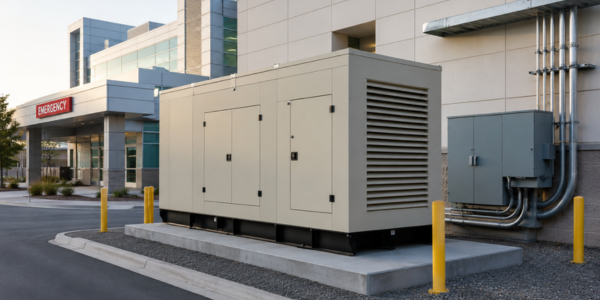
True reliability is found in the power architecture, not just the individual components. You can design for as many "nines" as you can afford — N+1, 2N, or even 2N+1 redundancy — but those backup plans still fail if the integration is flawed. When multi-million dollar assets like backup generators fail during the time they are needed most, often, it comes down to a few-hundred-dollar failure point: the starting battery.
Moving to Integrated Systems
This focus on reliability makes packaged power appear as the new “safe bet”. Sourcing fifteen different pieces from fifteen different vendors and then trying to find qualified electrical labor to integrate them on-site is a colossal headache that introduces multiple points of project risk. Field integration is simply no longer sustainable in a world where labor is scarce and timelines are tight.
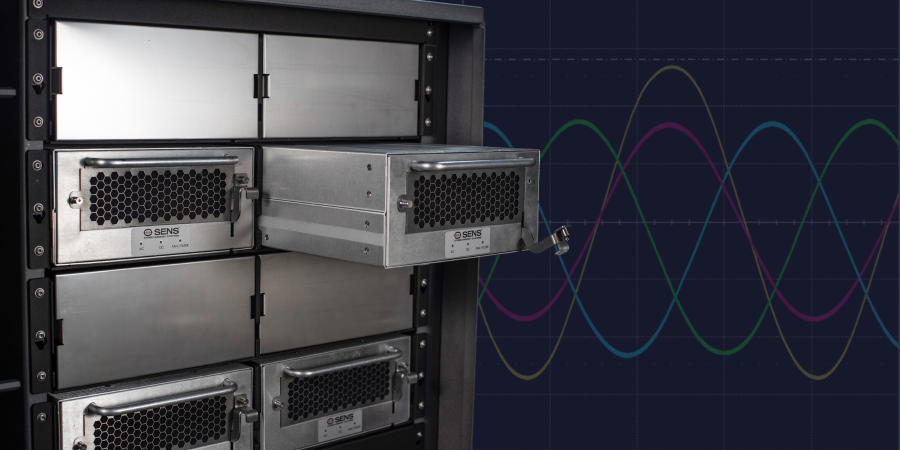
By bringing the complexity into the factory, systems like the PowerCab®2 and SuperTorque® 8R eliminate dozens of field-failure points before equipment ever reaches the site. This integrated approach reduces installation time by hours per unit and reclaims up to 90% of the footprint compared to traditional setups.
From Discussion to National Mandate
The timing of recent industry discussions has been almost surreal. At POWERGEN 2026, our Strategic Advisor and Board Member, Bill Kaewert, moderated a panel focused on transforming "dormant" data center backup generators into active grid assets. While this specific discussion was timely, it represented the culmination of years of advocacy by Bill and other key industry players who have long pushed for this shift.
Mere hours later, as Winter Storm Fern strained the national grid, the Department of Energy issued a Section 202(c) emergency order to leverage exactly that capacity for blackout prevention - a move that affirmed our long-standing position.
Backup power has officially moved up the ranks, as it is now turning into an active grid asset that serves as a critical release valve for a bulk power system under unprecedented pressure.
Looking Ahead into 2026
The roadmap is being dictated by the specific needs of data centers. From high-level power architecture to load profiles and cooling, information technology develops much more rapidly than the traditionally slow and steady pace of the power industry, and those of us supplying power solutions for data centers must now be developing at the speed of IT.
Balancing risk aversion with next-generation advantages is the defining challenge for today's operators. In his interview at POWERGEN, Olen shares his view on how hyperscalers can handle these trade-offs without compromising on the quality required for mission-critical power.
Critical Power Insights, Delivered
Quarterly updates, technical guidance, and industry news