
false

NRG2420RCLSE

NRG2420RCLSD

NRG2420RCLS

NRG2420HCLSE

NRG2420HCLSD

NRG2420HCLS

NRG2410RCE

NRG2410RCD

NRG2410HCE

NRG2410HCD

NRG2220RCLSE

NRG2220RCLSD

NRG2220RCLS

NRG2220HCLSE

NRG2220HCLSD

NRG2220HCLSC

NRG2220HCLS

NRG2210RCE

NRG2210RCD

NRG2210HCE

NRG2210HCD

NRG2210HCC

NRG1220RCLSE

NRG1220RCLSD

NRG1220RCLS

NRG1220HCLSE

NRG1220HCLSD

NRG1220HCLS

NRG1210RCE

NRG1210HCE

NRG1210HCD

NRG1210RCD

EnerGenius (NRG)

View Datasheet

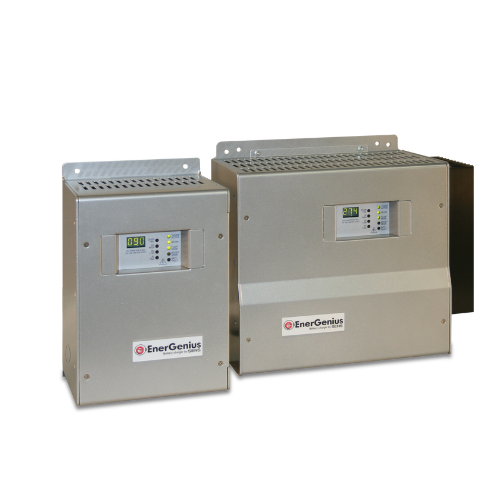
SENS’ NRG is the most accurate, rugged and dependable genset engine start battery charger available. NRG can be instantly and easily adapted for use with any common lead-acid or nickel cadmium battery – meaning NRG is simple to install and can replace other chargers without pre-planning.

NRG automatically adjusts its output to meet constantly changing battery needs. This allows the battery to deliver maximum possible performance and life.

SENS exclusive Battery Fault alarm system detects battery problems like high resistance cables and open battery cells. The Battery Fault alarm enables dispatch of service personnel to fix battery problems early – before engine start is needed.

SENS NRG includes EnerGenius® reliability technology. EnerGenius technology delivers high reliability under harsh conditions including electrical and mechanical abuse. NRG has demonstrated MTBF greater than 1 million hours.

NRG complies with UL and C-UL standards. 50 Hz models are CE marked. All NRG models are IBC seismically certified to an Sds value of 2.50g and are optionally available with State of California OSHPD certification.


iso1ul_listedceIBCcse


NRG Intelligent Engine Start Battery Charger

The smart choice for mission-critical genset engine starting

  • Field adaptable 12/24 volts
  • 4-rate charging
  • Temperature compensated
  • Easiest field setup
  • Standard alarms, including industry-first battery fault alarm
  • Greater than 1.2 million hour observed MTBF
  • Non-corroding aluminum housing
  • C-UL listed, CE marked
  • IBC seismically certified

Frequently Asked Questions

1. Will there be any problems with the NRG if it is operated at a temperature of 70 degrees C?

Although 70C is above the NRG’s rated operating range, the charger’s overtemperature protection system will protect the charger by reducing current limit to a safe level. At 70C the NRG can produce about 50% of its rated output current. Although NRG will not suffer catastrophic failure if operated at this extreme temperature, its lifetime will be shortened. All electronic components suffer a reduction in life when operated above their rated temperature.

2. Can two NRG 10A or 20A battery chargers be operated in parallel?

Yes, but use of two chargers in parallel will not cut recharge time in half.  Customers who use NRGs in parallel generally do so to achieve redundancy.

For the most stable operation of two NRGs in parallel, SENS recommends that one NRG have boost mode enabled (ON), while the other have boost mode disabled (OFF). Although failure to disable boost in one unit is not critical, having boost enabled in both units could potentially lead to odd switches from float to boost mode and back in each unit during a portion of the battery recharge cycle. Such operation would not cause battery damage, but could appear as unpredictable and potentially incorrect behavior to an astute operator watching the LEDs.

have questions or need help?

The SENS team is here to help. If you have questions or need help, reach out and start a conversation.