• Engine Starting Systems

    SuperTorque 8Z

    NiZn engine starting system

    SuperTorque 8R

    Integrated engine starting with rack/8Z/BBS/BSC/disconnects

    DC Power Systems

    PowerCab2

    24-300VDC, switchgear and industrial power system

    PowerCab

    24/48/120VDC, SCR

    MicroCab

    12/24/48VDC, switchmode

    Battery Chargers

    MicroGenius LE

    12/24VDC, 5-10A

    MicroGenius 2

    24/24VDC, 6-25A

    MicroGenius S2/S4

    24-120VDC, 6-50A

    EnerGenius DC

    120-240VDC, 6-800A, 3PH

    Battery Monitoring & Redundancy

    SC4 Battery Monitoring

    Comprehensive BMS for industrial and telecom applications

    Best Battery Selector

    BBS battery coupler

    BCS-120

    Control & alternator coupler

  • Applications

    Engine Starting

    Reliable DC power for engine starts

    Switchgear Power

    Backup power for critical switchgear

    Industrial DC Power

    Rugged power for industrial sites

    Battery Monitoring

    Battery monitoring systems and accessories

    Industries

    Data Centers

    Backup power infrastructure to maintain uptime

    Oil & Gas

    Power solutions for harsh environments

    Utilities

    Reliable power for grid operators

    Hospitals

    Backup power for life-critical systems

  • Support

    Technical Service & Support

    Get technical support

    Software Download Center

    Download firmware and software

    Software Revision History

    Updates to SENS software

    Warranties

    Product warranties and repairs

    Resources

    Technical Documents

    User manuals, CAD drawings, certifications, datasheets

    Insights

    Explore SENS power industry insights

    Case Studies

    Real world success stories

    White Papers

    Technical insights and innovations

    Genset Starting Education

    Prevent common genset starting failures

  • About

    About SENS

    Learn about our company

    Manufacturing

    U.S.-based manufacturing and scalable production

    Quality

    ISO 9001, worst-case design, codes & standards

    Partners

    Find a regional representative

    Company Updates

    News

    Company news and announcements

    Events

    Upcoming conferences and exhibitions

    Careers

    Working with SENS and open positions

Engine Starting Systems

SuperTorque 8Z

NiZn engine starting system

SuperTorque 8R

Integrated engine starting with rack/8Z/BBS/BSC/disconnects

DC Power Systems

PowerCab2

24-300VDC, switchgear and industrial power system

PowerCab

24/48/120VDC, SCR

MicroCab

12/24/48VDC, switchmode

Battery Chargers

MicroGenius LE

12/24VDC, 5-10A

MicroGenius 2

24/24VDC, 6-25A

MicroGenius S2/S4

24-120VDC, 6-50A

EnerGenius DC

120-240VDC, 6-800A, 3PH

Battery Monitoring & Redundancy

SC4 Battery Monitoring

Comprehensive BMS for industrial and telecom applications

Best Battery Selector

BBS battery coupler

BCS-120

Control & alternator coupler

Applications

Engine Starting

Reliable DC power for engine starts

Switchgear Power

Backup power for critical switchgear

Industrial DC Power

Rugged power for industrial sites

Battery Monitoring

Battery monitoring systems and accessories

Industries

Data Centers

Backup power infrastructure to maintain uptime

Oil & Gas

Power solutions for harsh environments

Utilities

Reliable power for grid operators

Hospitals

Backup power for life-critical systems

Featured Articles

NFPA110

Article

Healthcare Emergency Power: Reliability, Compliance & Risk

Switchmode_Article_Image

Article

What Switchmode Technology can do for Utilities

Support

Technical Service & Support

Get technical support

Software Download Center

Download firmware and software

Software Revision History

Updates to SENS software

Warranties

Product warranties and repairs

Resources

Technical Documents

User manuals, CAD drawings, certifications, datasheets

Insights

Explore SENS power industry insights

Case Studies

Real world success stories

White Papers

Technical insights and innovations

Genset Starting Education

Prevent common genset starting failures

Featured Content

Girtz_CaseStudy_WebsiteBanner

Case Study

How Girtz Industries Improved Their Engine Starting Tests

Mission_Critical_Power_2030_OnsiteGeneration

White Paper

What will the Mission for Critical Power Look like in 2030?

About

About SENS

Learn about our company

Manufacturing

U.S.-based manufacturing and scalable production

Quality

ISO 9001, worst-case design, codes & standards

Partners

Find a regional representative

Company Updates

News

Company news and announcements

Events

Upcoming conferences and exhibitions

Careers

Working with SENS and open positions

Latest News

MCPDS_Speakers

NEWS

SENS Summit Explores How AI Is Reshaping Mission-Critical Power Design

3 min read

Healthcare Emergency Power Systems Navigating Reliability, Compliance, and Risk

Healthcare Emergency Power Systems Navigating Reliability, Compliance, and Risk

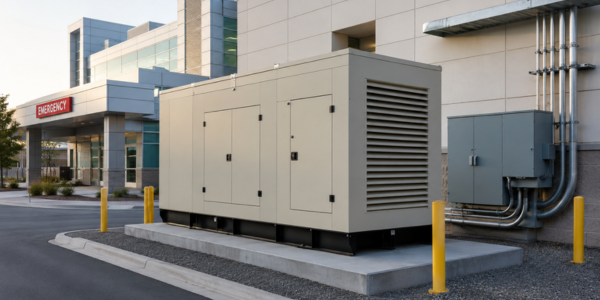
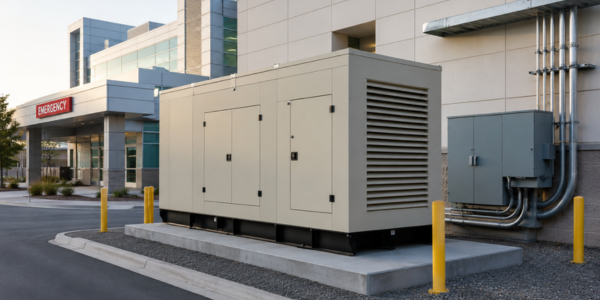
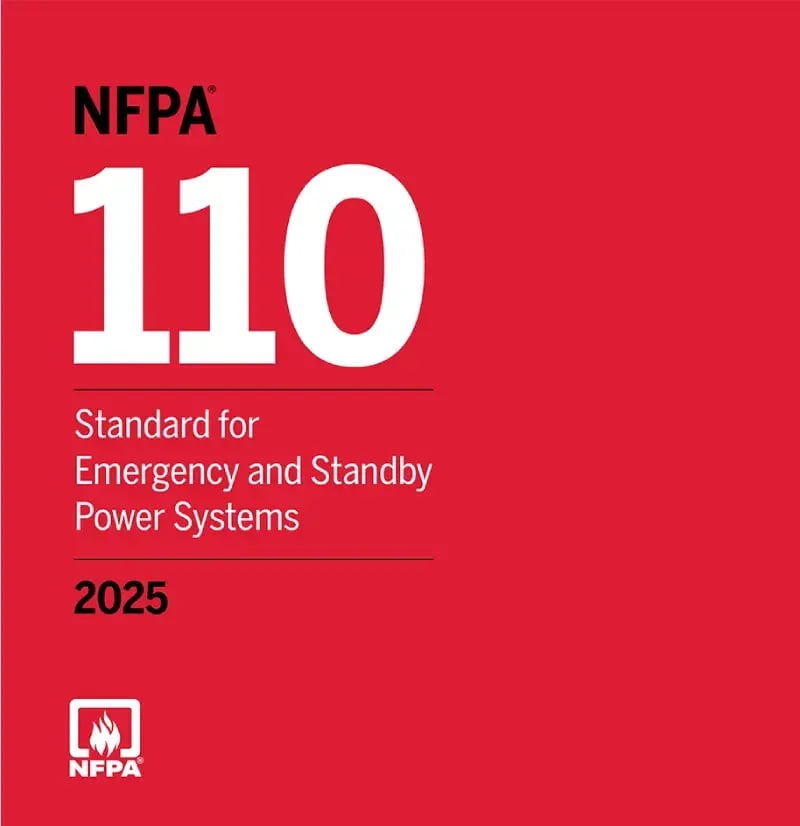
Emergency power systems are the last line of defense when healthcare facilities lose utility power. Steve Works, EPSS expert and NFPA technical committee member, sees the latest updates to NFPA 110 as important guidance for healthcare facilities evaluating generator starting systems and battery performance. As hospitals and other critical care facilities prioritize resilience, reliability, and regulatory compliance, understanding these changes are increasingly important.

Here, Steve breaks down the major modernizations in the newly adopted 2025 edition, including changes to battery requirements and a greater emphasis on performance-based testing methods.

NFPA 110 (2025 Edition): Newest Language on Battery Types & Testing

The NFPA 110 2025 edition is now the active standard being adopted into 2026 compliance cycles. Key updates are confirmed in industry summaries and code update analyses. While the CMS accreditors may be clinging to older versions of NFPA 110 (as well as NEC, NFPA 101 & NFPA 99), CMS has also directed Level 1 & Level 2 healthcare facilities to adhere to the ‘All-Hazards’ approach outlined in 2016. At the highest levels, this encourages facilities to adopt safety-driven changes centered around patient care and infrastructure. 

Observing the safety, reliability, and budgetary concerns of the healthcare industry, Stored Energy Systems (SENS) has provided a ‘tip-of-the-spear’ solution for two of the key changes made to 2025 NFPA 110.

1. Expanded acceptable starting battery types

NFPA 110 (2025) now explicitly allows safer, modern battery chemistries, not just lead acid or NiCd.
Newly permitted battery chemistries:

  • Nickel zinc (NiZn)

  • Lithium ion (Li-ion)

  • Traditional lead acid and nickel cadmium remain allowed

These newer chemistries are permitted as long as they meet cranking performance criteria for Level 1 or Level 2 EPSS systems.

This is the first major modernization of NFPA 110 battery language in decades.

2. Cranking voltage drop as the “safest and best” battery performance metric

Why it’s the gold standard under NFPA 110 (2025):

  • Real world stress test: Cranking voltage drop measures battery voltage during actual engine cranking, not just open circuit or float voltage. It shows whether the battery can deliver high current when the generator must start—exactly what CMS and NFPA care about.

  • Direct tie to NFPA 110 (2025): Annex language (A.8.3.6.1.2) explicitly calls out cranking voltage drop as the preferred way to verify starting battery performance, instead of relying only on traditional capacity tests or static readings.

  • Safer across chemistries: With NFPA 110 (2025) allowing lead-acid, NiCd, NiZn, Li-ion, and other stored energy technologies, a performance-based test (cranking voltage drop) is the most chemistry agnostic and safety aligned way to prove readiness. 

How to frame it in your program language

Risk based statement (CMS all hazards):
The facility uses cranking voltage drop testing during generator start as the primary indicator of starting battery health, because it directly measures battery performance under emergency start conditions and supports the All-Hazards objective of reliable power restoration

Technical requirement (NFPA 110 aligned):
For each EPSS starting battery, the facility shall record battery voltage immediately prior to crank and minimum voltage observed during crank and compare to manufacturer and NFPA 110 based thresholds. Any abnormal or trending degradation triggers corrective action under the Reliability Centered Maintenance plan. 

This does not include ‘locked-rotor’ voltage drop sensed during the first few milliseconds of the crank signal; rather, we’re observing the actual voltage sag for the duration of the first crank attempt. If for some reason the prime mover fails to start during the first cranking cycle, we’ve already missed the 10-second response for emergency power provision (noted in the appendix of NFPA 110).

How has SENS addressed these changes? 

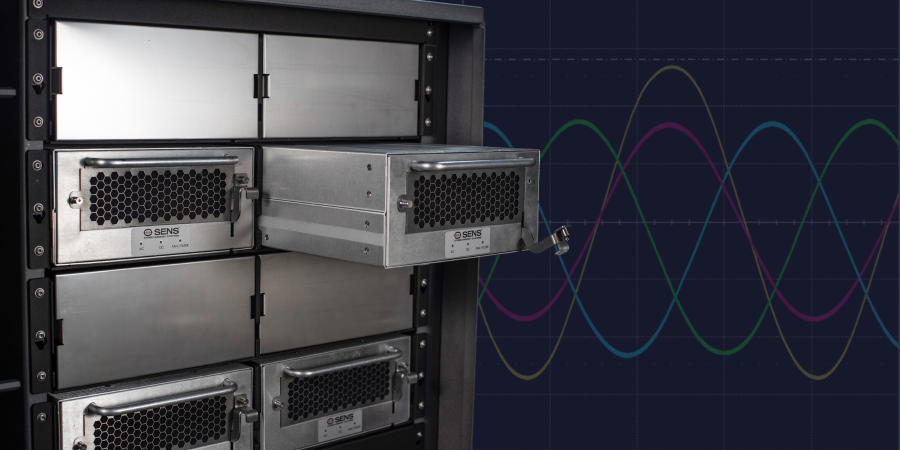
  • The SuperTorque® 8Z platform utilizes nickel-zinc batteries for a safer alternative to lead-acid, NiCad, or other platforms. There are no hazmat considerations or limitations on shipping and handling.

  • The package includes a built-in battery charger with an HMI (Human-Machine Interface) that captures cranking voltage drop.

  • The platform has a 10-year factory warranty with a replacement cycle at 15 years, similar to existing NiCad platforms. When compared to the previous allowed batteries (lead-acid & NiCad), the cumulative cost savings over this ten-year period are tremendous.

In closing, the SENS SuperTorque 8Z has already been implemented at critical data retention centers nationwide. With the changes made to NFPA 110; and observance of the CMS ‘All-Hazards’ directive, I have confidence that this platform will be folded into N+1 redundant EPSSs and Level 2 facilities immediately. Whether I am performing on-site hospital checks, conducting hospital EPSS design-phase reviews, or participating in speaking engagements, I ensure this product is part of the conversation.
 

About the Author

Steve Works* is Principal Consultant at Works Power - Critical Energy Consulting and a member of the NFPA technical committees responsible for NFPA 110 and NFPA 111. With nearly four decades of experience in emergency power systems, he has supported healthcare facilities, government agencies, utilities, and mission-critical infrastructure projects worldwide. Steve specializes in EPSS assessments, training, design reviews, and reliability-focused maintenance programs.

Steve Works | LinkedIn

*Although a Member of the Technical Committees Responsible for NFPA 110 & 111, the context & contents of this article do not necessarily reflect those of the Committee(s). No part of this article may be shared, duplicated, or edited without expressed written permission by the author.

 
2025 NFPA 110 changes

This complimentary SENS report covers 2025 updates, including the 7 key categories impacted. Details provided on battery type regulation changes, cranking voltage drop requirements, and more.

Critical Power Insights, Delivered

Quarterly updates, technical guidance, and industry news