 SENS
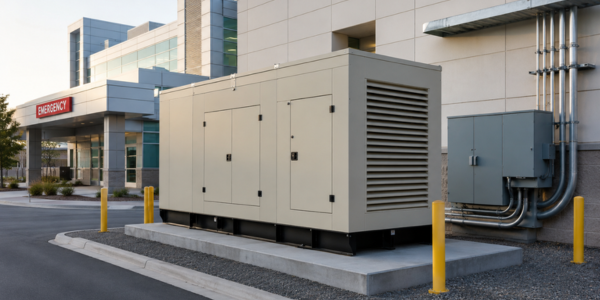
The rapid build-out of AI infrastructure is fundamentally shifting the role, and thus the design, of power systems in data centers. For decades, backup power was treated primarily as an insurance policy: equipment that remained idle until a grid interruption demanded a response. That model is becoming harder to sustain. As utilities struggle to keep pace with demand, data centers increasingly rely on on-site generation and other behind-the-meter assets for extended periods. Power infrastructure must be designed not only to respond to failure, but to operate as part of a wider energy strategy.
Why Idle Backup Systems Are Becoming Active Energy Assets
The shift in demand raises a more fundamental question: what does reliability look like when “backup” power may also function as prime power?
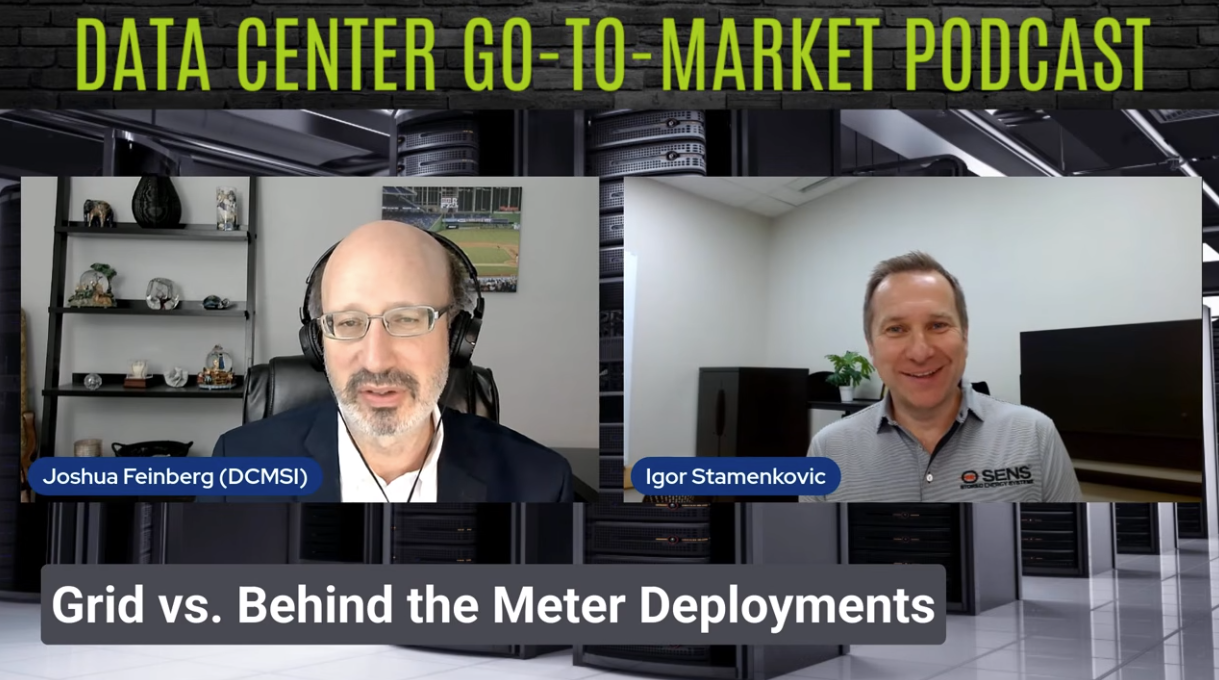
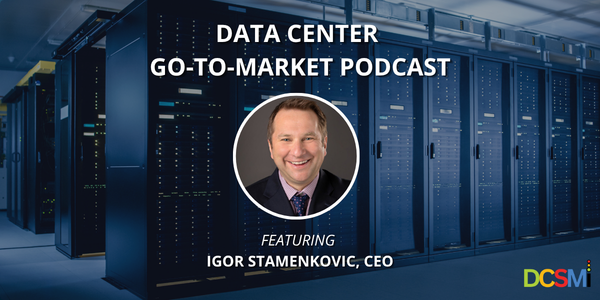
In episode 201 of the Data Center Go-to-Market Podcast, SENS CEO Igor Stamenkovic challenges conventional approaches to critical power design. He explains why meeting equipment specifications isn't always enough and how changing data center requirements are reshaping the way power systems are designed, integrated, and delivered.
Design Beyond the Specifications
No two data center projects are exactly alike. Grid connections, energy mixes, generator configurations, equipment brands, operating requirements, and project timelines all create different design conditions. And so, a line-by-line response to an RFP may satisfy a specification without addressing the underlying challenge. The more valuable approach is to understand how the complete power architecture must perform and then determine whether the right answer is an existing product, an engineered solution, or a new platform that can eventually be standardized.
Scale Power Systems through Factory Integration
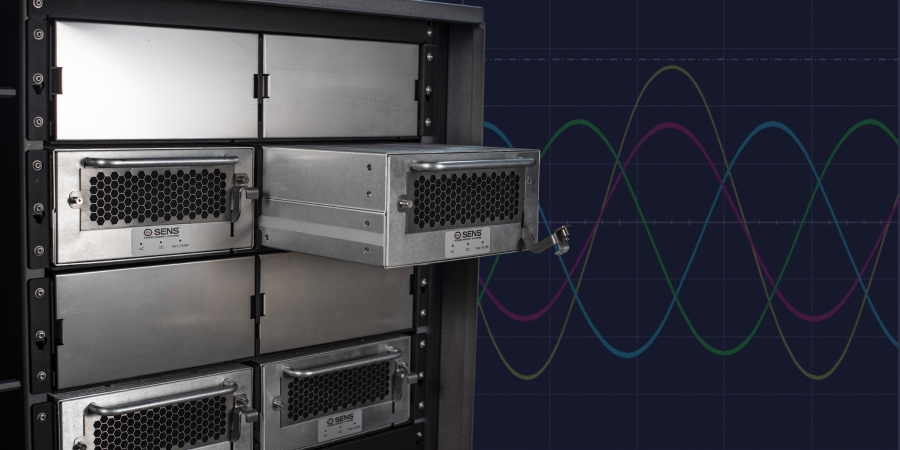
This systems-level perspective is becoming increasingly important as AI workloads push power density higher. Space is constrained, deployment schedules are compressed, and the cost of field integration is rising. Under these conditions, battery chemistry and power electronics should be evaluated through total cost of ownership rather than purchase price alone. A technology that offers greater energy density, longer service life, or reduced maintenance may create more value over the operating life of the facility.
The same logic applies to system integration. Factory-configured, factory-tested systems can move complexity away from the construction site, reduce field labor, and limit the number of potential failure points. In this model, reliability begins before the equipment reaches the facility. The direction is clear: engineer-to-order, one-off solutions must give way to configurable platforms built for repeatable, scalable delivery.
Turn Customer Challenges into Power Solutions
Developing better power solutions starts with understanding the challenges customers face in the field. In the podcast, Igor explains why maintaining direct relationships with end users is essential to developing solutions that address real operating requirements, not just written specifications.
As data centers become more deeply connected to constrained grids and increasingly dynamic energy systems, critical power can no longer be treated as a passive layer of protection. It is becoming active operational infrastructure: one that must support resilience, speed, density, and adaptability at the same time.
Find out Igor’s perspective on the future of data center power design in the Data Center Go-to-Market Podcast with Joshua Feinberg at the Data Center Sales & Marketing Institute.